
In the past, ventilation and refrigeration in buildings were handled separately, focusing on providing fresh air and controlling temperature and humidity. With the increasing complexity of processes and the need for greater energy efficiency, modern Heating, Ventilation, and Air Conditioning (HVAC) systems were developed. HVAC integrates heating, ventilation, and cooling into a unified system, offering enhanced efficiency and performance.
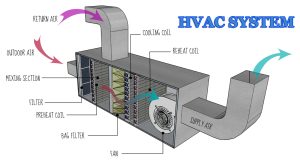
The primary goal of an HVAC system is to improve indoor air quality, enhance occupant comfort, and protect the environment. During the colder seasons, HVAC provides adequate heating for indoor spaces, while in warmer seasons, it effectively cools the air. Additionally, a well-designed ventilation and refrigeration system brings fresh air into the building and removes used or stale air.
The first component of an HVAC system is heating. This section includes a central heating system or wall-mounted radiators. The central heating system is controlled by a durable and efficient electrical panel that regulates the heat levels, while wall-mounted radiator systems rely on smaller heating sources.
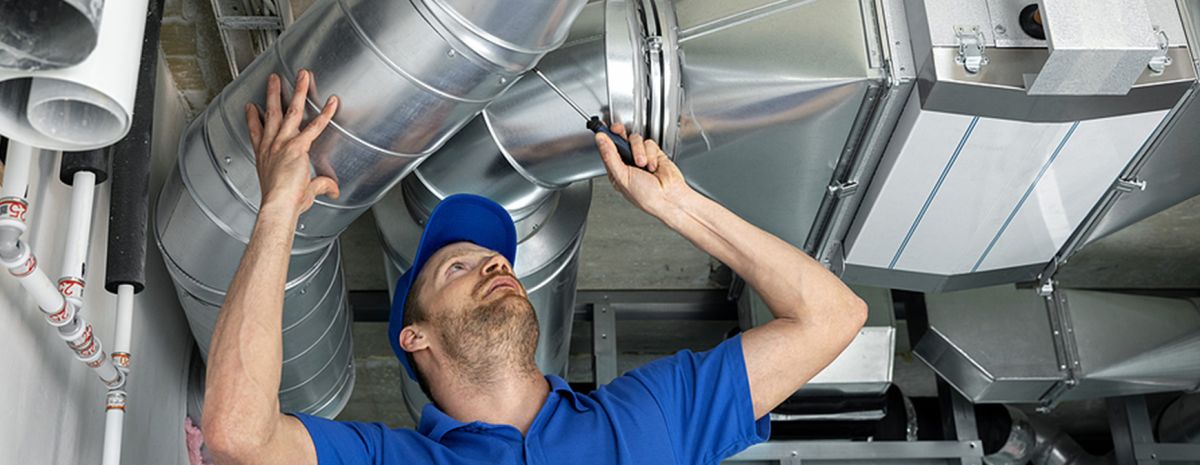
The second component, ventilation, is responsible for bringing fresh air into the building and regulating humidity. Air is purified through a ventilation system using air filters that remove allergens and other pollutants before it enters the building.
The third component, cooling, uses an air conditioning system with cooling capacity to absorb heat from the air and cool it down. This part of the HVAC system is designed to cool the air during warm seasons, ensuring comfort in indoor spaces.
The HVAC system is an essential requirement in any building due to its advantages, such as temperature and humidity control, energy efficiency, and high performance. This system reduces energy costs and carbon dioxide emissions while ensuring the comfort and well-being of occupants and employees.
In summary, the HVAC system constantly aims to improve indoor air quality and provide comfort for occupants and employees. By upgrading professional HVAC systems and staying informed about the latest technologies, it is possible to enhance fresh air supply, achieve precise temperature and humidity control, and improve energy efficiency in buildings.